
Fantasy art has always relied on imagination, symbolism, and detailed world-building. With modern AI image generators, much of that creative intent is communicated through text rather than brush strokes. Learning how to write effective prompts is therefore the central skill behind generating compelling fantasy visuals. This guide explains how prompts work, how to structure them, and how to progressively refine them to produce consistent, high-quality fantasy art across different styles and tools.

Understanding how AI interprets fantasy prompts
AI image generators transform written descriptions into visual patterns by matching words to concepts learned from vast image datasets. When you write a fantasy prompt, you are not giving instructions in a human sense, but rather providing weighted signals that influence composition, style, mood, and detail.
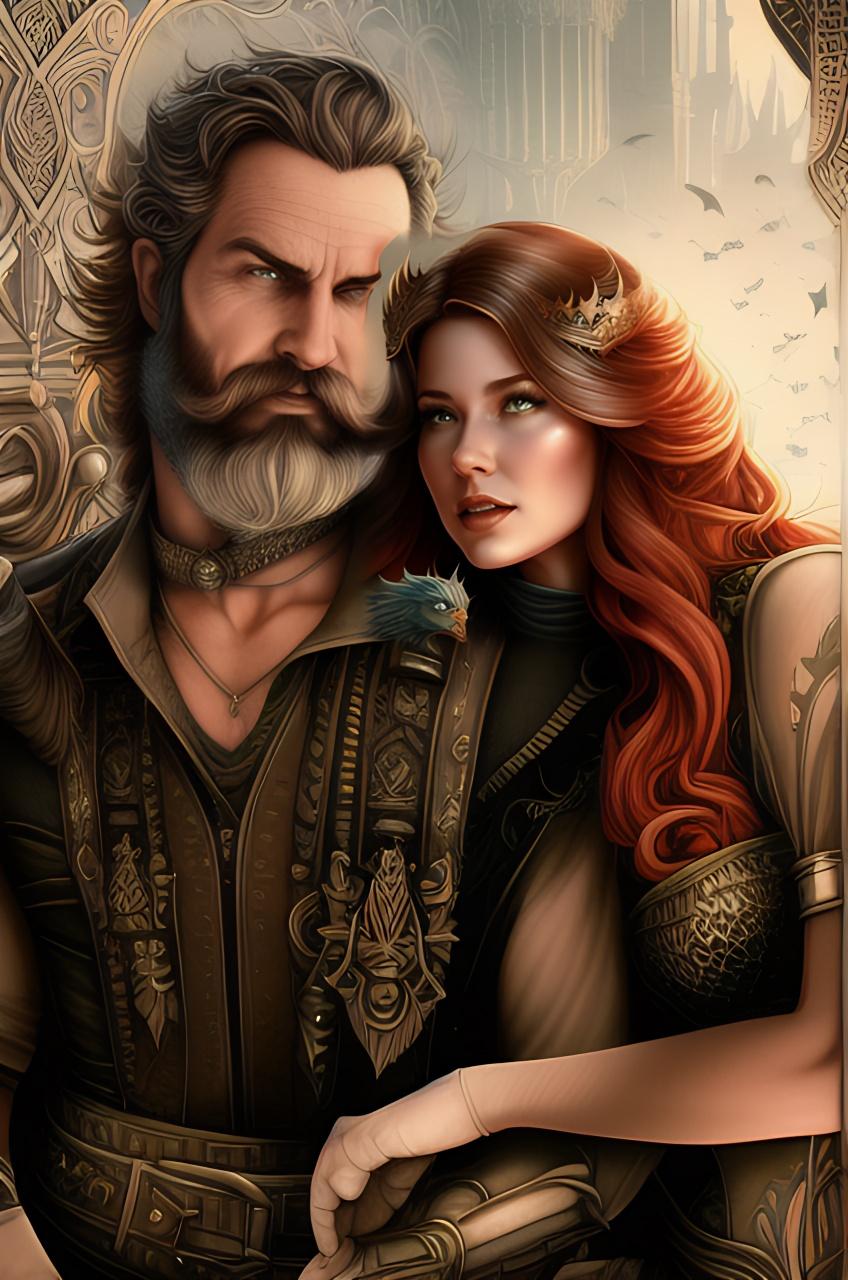
Fantasy imagery works particularly well with AI because it combines recognizable elements (castles, armor, forests, mythical creatures) with stylistic abstraction. The model fills gaps between ideas, often producing novel interpretations that feel imaginative rather than literal.
Different platforms interpret prompts slightly differently. Tools such as Midjourney tend to emphasize artistic cohesion and mood, while Stable Diffusion offers more granular control through modifiers and parameters. DALL·E prioritizes clarity and conceptual accuracy. Regardless of the platform, the underlying principles of prompt writing remain largely the same.
Core components of a fantasy art prompt
Strong fantasy prompts are structured, layered, and intentional. Most effective prompts include several distinct components that work together.
Subject and focal point
The subject is the central element of the image. In fantasy art, this is often a character, creature, or landmark.
Examples:
- A sorceress standing on a cliff
- An ancient dragon coiled around a tower
- A ruined elven city hidden in the forest
Be specific enough to guide the composition, but not so narrow that the image becomes rigid.
Environment and setting
Fantasy worlds are defined by their environments. Describing the setting adds context, scale, and atmosphere.
Consider including:
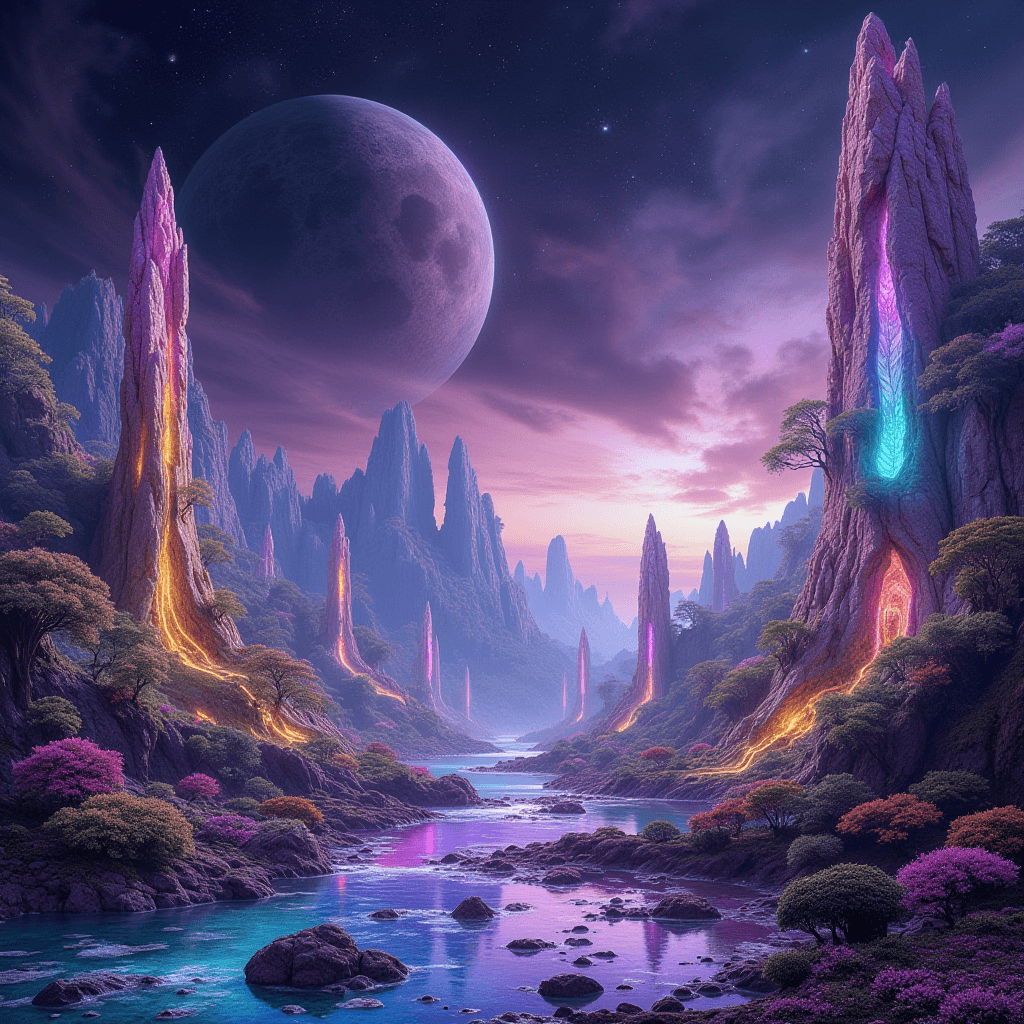
- Landscape type (mountains, swamps, floating islands)
- Time of day (dawn, twilight, moonlit night)
- Weather or elemental effects (fog, glowing embers, magical storms)
A well-described environment helps the AI establish depth and narrative coherence.
Mood and atmosphere
Mood controls how the scene feels rather than what it depicts. Fantasy art often leans heavily on emotional tone.
Common fantasy moods include:
- Epic and heroic
- Dark and foreboding
- Mystical and ethereal
- Ancient and forgotten
Adjectives related to lighting, color temperature, and emotional tone strongly influence the final result.
Artistic style and visual language
Style references shape how the image is rendered. These can be broad or highly specific.
Examples:
- Painterly fantasy illustration
- Cinematic concept art
- Hand-drawn ink and watercolor
- High-detail digital painting
You can also reference artistic traditions or genres, such as high fantasy, dark fantasy, or mythological illustration, without naming individual artists.
Building your first fantasy prompt
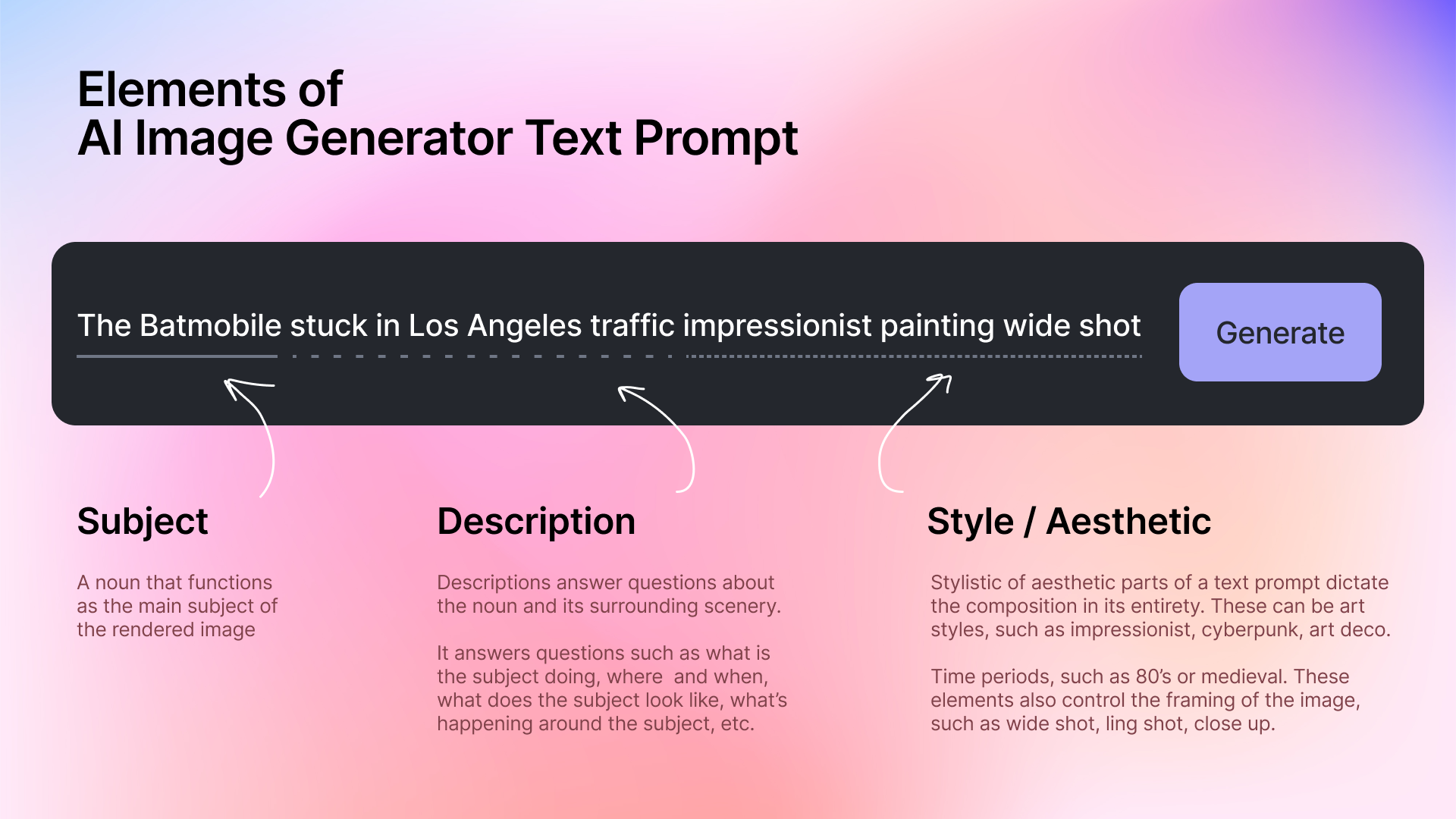
A beginner fantasy prompt should balance clarity with openness. Overloading a prompt with too many ideas can confuse the model, while being too vague may lead to generic results.
A simple but effective structure looks like this:
- Subject
- Setting
- Mood
- Style
Example prompt:
“A lone knight in silver armor standing before a ruined castle at dusk, dramatic lighting, dark fantasy atmosphere, detailed digital painting.”
This type of prompt gives the AI enough direction to produce a coherent image while leaving room for creative interpretation.
Adding depth through descriptive modifiers
Once the basic structure is clear, modifiers allow you to add richness and complexity.
Visual detail modifiers
These influence texture, clarity, and realism.
Common modifiers include:
- Highly detailed
- Intricate textures
- Soft brush strokes
- Sharp focus
- Volumetric lighting
Use these sparingly and intentionally. Too many detail modifiers can cancel each other out.
Color and lighting control
Fantasy art relies heavily on color harmony and lighting.
You can specify:
- Color palettes (cool blues, warm golds, muted earth tones)
- Light sources (glowing runes, torchlight, moonlight)
- Contrast levels (high contrast, soft ambient light)
Lighting cues often have a stronger impact than color words alone.
Fantasy-specific elements
To reinforce the fantasy genre, include elements that signal magic or myth.
Examples:
- Arcane symbols
- Floating crystals
- Ethereal mist
- Ancient ruins
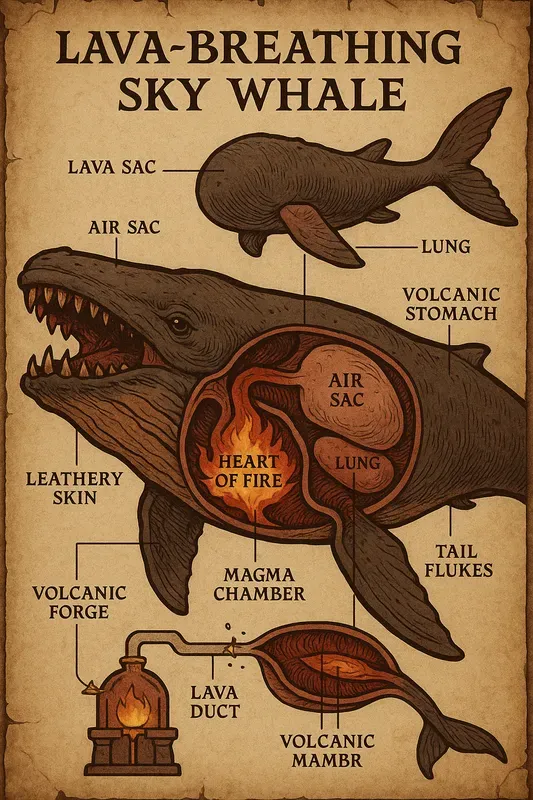
- Mythical creatures
These elements help distinguish fantasy art from historical or science fiction imagery.

Advanced prompt techniques for fantasy art
As you gain experience, you can refine prompts to achieve greater consistency and control.
Prompt weighting and emphasis
Some platforms allow you to emphasize certain words or phrases. This helps prioritize key elements.
For example:
- Emphasizing “ancient dragon” over background details
- Increasing weight on “dark fantasy” to shift tone
Even without explicit weighting syntax, placing important elements earlier in the prompt often increases their influence.
Negative prompts and exclusions
Negative prompts tell the AI what to avoid. These are especially useful in fantasy art to prevent unwanted artifacts.
Common exclusions include:
- Modern clothing
- Text or watermarks
- Low resolution details
- Cartoonish proportions
Using negative prompts improves stylistic consistency and professionalism.
Iterative refinement
Professional-level fantasy art rarely comes from a single prompt. Iteration is essential.
A typical refinement process involves:
- Generating multiple variations
- Identifying what works visually
- Adjusting one element at a time
- Re-running the prompt with small changes
This approach mirrors traditional concept art workflows, where ideas evolve through drafts rather than appearing fully formed.
Style consistency and series creation
If you are generating fantasy art for a project, such as a game, story, or website, consistency matters more than novelty.
To maintain a coherent style:
- Reuse key descriptive phrases across prompts
- Keep lighting and color language consistent
- Limit the number of stylistic descriptors
- Document successful prompts for reuse
Prompt libraries become valuable creative assets over time, allowing you to build recognizable fantasy worlds rather than isolated images.
Ethical and practical considerations
Fantasy art generated by AI raises questions about originality, attribution, and usage rights. While this guide focuses on technique, responsible use remains important.
Best practices include:
- Avoiding references to living artists
- Checking platform usage rights for commercial projects
- Being transparent about AI-generated imagery when required
- Treating AI as a creative assistant rather than a replacement for artistic intent
Fantasy art thrives on imagination, and prompts are simply the language used to communicate that imagination to a machine.
Thinking beyond single images
The most compelling use of fantasy prompts is not isolated images, but visual storytelling. By describing characters, locations, and moods consistently, prompts can be used to generate entire worlds.
You can think of prompts as world-building tools:
- One prompt defines a hero
- Another defines their homeland
- A third defines the conflict or threat
Over time, these visual fragments form a cohesive fantasy universe shaped primarily by language.
